
CONGRÈS ALAI 2026
Droit d'auteur et liberté d'expression à l'ère des algorithmes
Video: The Hague & Partners
ALAI 2026
Du mercredi 17 au vendredi 19 juin 2026

Copyright et liberté d’expression à l’ère des algorithmes
Comment protégeons-nous les droits des créateurs sans perdre la liberté d’expression dans un monde guidé par les algorithmes ? Du mercredi 17 au vendredi 19 juin 2026, la communauté mondiale du droit d’auteur se réunit à La Haye, aux Pays-Bas, autour du thème du droit d’auteur et de la liberté d’expression à l’ère des algorithmes.
Le droit d’auteur soutient depuis longtemps l’expression culturelle en protégeant les créateurs tout en garantissant la liberté d’expression. Aujourd’hui, les algorithmes, les systèmes d’IA et les plateformes numériques déterminent de plus en plus la manière dont les œuvres créatives sont produites, partagées et découvertes, mettant cet équilibre sous pression.
Au cœur du congrès se trouve la question de savoir comment préserver un espace pour la liberté d’expression tout en garantissant le respect des droits économiques et moraux des créateurs. Le programme explore cette tension sous de multiples perspectives.
 Le Congrès ALAI 2026 est organisé par la Vereniging voor Auteursrecht (VvA), le groupe national néerlandais de l’Association Littéraire et Artistique Internationale. Le congrès réunit, pendant trois jours, des universitaires, des praticiens et des décideurs publics autour de débats, de recherches et d’échanges.
À propos de l’ALAI
L’Association Littéraire et Artistique Internationale a été fondée en 1878 à Paris par Victor Hugo, qui en fut le président d’honneur. Dès l’origine, l’ALAI s’est fixé un objectif clair : la création d’une convention internationale visant à protéger les droits des écrivains et des artistes. Cette ambition a conduit à l’adoption de la Convention de Berne huit ans plus tard.
Depuis lors, l’ALAI continue de jouer un rôle de premier plan dans le développement du droit d’auteur international.
Événement de la prochaine génération
Le Next Generation Event 2026, un événement parallèle d’une demi-journée au congrès de l’ALAI à La Haye, rassemble de jeunes professionnels pour explorer deux sujets d’avant-garde à l’intersection du droit d’auteur et de la liberté d’expression.
Sponsor Or

Sponsors Argent





Sponsors Bronze






Le programme est susceptible d'être modifié. Consultez la dernière version en ligne pour les mises à jour.
Programme scientifique ALAI 2026
Mercredi 17 juin 2026
13:00 - 17:00
Événement de la prochaine génération
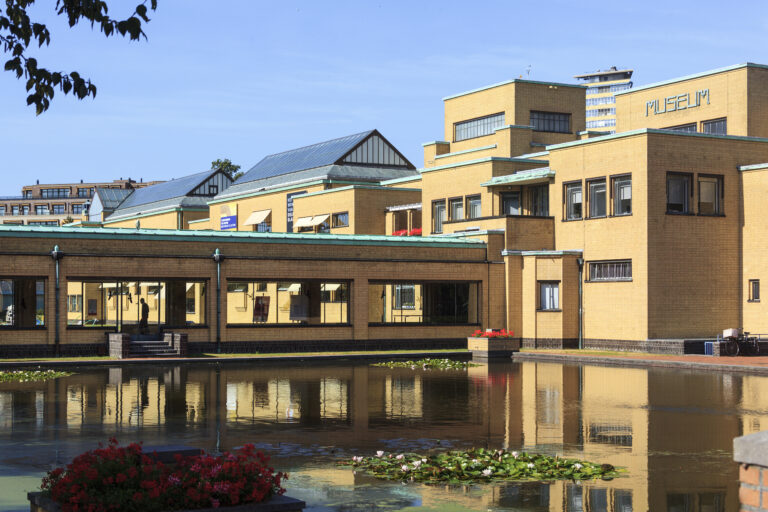
- The Hague Marriott, Johan de Wittlaan 30, La Haye
- L'ALAI a le plaisir d'annoncer le tout premier événement "Next Generation", un événement parallèle thématique du congrès 2026 de l'ALAI, conçu pour les chercheurs et praticiens du droit d'auteur en début de carrière (dans les cinq ans suivant la soutenance du doctorat ou l'admission au barreau). Il se tiendra sur le lieu principal de la conférence.
18:00
Réception de bienvenue
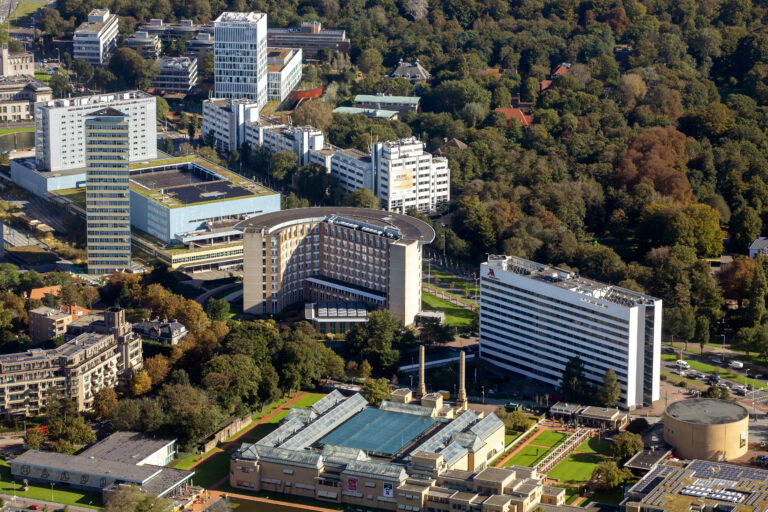
- Kunstmuseum (Tuinzaal), Stadhouderslaan 41, La Haye (5 minutes à pied du Marriott)
- La réception d’accueil aura lieu dans le jardin intérieur du Kunstmuseum de La Haye, un bâtiment emblématique conçu par H.P. Berlage, l’un des principaux architectes de l’École d’Amsterdam. Le musée fait partie des plus importantes collections d’art moderne en Europe. Les invités pourront profiter d’un verre de bienvenue et de quelques rafraîchissements, tout en ayant la possibilité de visiter, tout au long de la soirée, l’exposition Mondriaan & De Stijl, qui présente notamment le dernier chef-d’œuvre de Mondriaan, Victory Boogie-Woogie.
Jeudi 18 juin 2026
09:00 - 09:30
Inscription / sans rendez-vous
- The Hague Marriott (Room A1), Johan de Wittlaan 30, La Haye
09:30 - 10:00
Ouverture
- Mireille van Eechoud (présidente de la Société néerlandaise des droits d'auteur)
- Frank Gotzen (Président ALAI)
- Claudia van Bruggen (Ministre de la protection juridique, Pays-Bas)
-
Michele Woods (directrice de la Division du droit d'auteur de l'OMPI)
10:00 - 10:30
Liberté d'expression et droit d'auteur dans le droit international
- Discours d'ouverture
Le cadre international des droits de l’homme en matière de liberté d’expression est en constante évolution, tout comme le cadre international du droit d’auteur. Cette intervention expose les liens entre le droit d’auteur et le droit à la liberté d’expression tels qu’ils sont définis par le droit international. Elle aborde également les principaux défis actuels à l’ère de la société algorithmique, préparant ainsi le terrain pour des analyses plus approfondies au cours de la conférence.
Intervenants
10:30 - 10:55
Pause
10:55 - 12:25
Mécanismes juridiques visant à protéger la liberté d'expression\
- Session 2
De brèves présentations exposent les principaux moyens par lesquels le droit d’auteur garantit la liberté d’expression. Cela comprend la définition des objets protégés (en lien également avec le rôle du droit d’auteur en tant que moteur de la production créative), l’étendue des droits exclusifs, les limitations et exceptions, la durée de la protection et l’application de la loi (voies de recours, y compris la portée territoriale). Un panel débat de l’importance croissante de trouver un équilibre entre le droit d’auteur et la liberté d’expression, en s’appuyant sur les approches nationales. Le cadre actuel est-il approprié pour garantir cet équilibre, par exemple en ce qui concerne les modes actuels de création numérique (éléments constitutifs numériques de l’expression, IA générative, etc.) ?
Les participants confirmés sont les suivants
- Bernd Justin Jütte
- Gemma Minero Alejandre
- Irini Stamatoudi
- Paul Torremans (modérateur)
- Tatiana Eleni Synodinou
12:25 - 13:55
Déjeuner
13:55 - 15:25
Droit d'auteur et liberté d'expression artistique - Études de cas
- Session 3
Les artistes doivent pouvoir tirer un bénéfice économique de leurs créations afin de pouvoir continuer à créer. Parallèlement, le processus artistique implique de s’inspirer des œuvres d’autrui, de les commenter et de les utiliser comme élément constitutif ou point de départ d’une nouvelle création. Afin de favoriser la culture, il est dans l’intérêt de la société de tenir compte de ces deux aspects de la création artistique lors de la définition du champ d’application de la protection du droit d’auteur. Trouver le juste équilibre devient de plus en plus difficile à l’heure où les technologies permettant de diffuser, d’accéder, de copier, d’adapter et de transformer des contenus sont de plus en plus accessibles, abordables et faciles à utiliser. Lors de cette session, des intervenants venus de différentes régions du monde examineront comment cet équilibre se concrétise dans leurs juridictions respectives, en prenant comme point de départ trois cas fictifs de réutilisation créative.
Les participants confirmés sont les suivants
- Adela Zixhuan Wang
- Ernesto Rengifo Garcia
- Peter Teunissen
- Sophie van Loon (modératrice)
15:25 - 15:50
Pause
15:50 - 17:20
Droit d’auteur et liberté d’expression artistique – l’avenir (table ronde)
- Session 4
S’appuyant sur l’analyse de la session précédente, un panel d’intervenants discutera de l’avenir du droit d’auteur et de l’expression artistique. Comment les concepts d’utilisation équitable, d’exploitation équitable et d’exceptions pour les citations, les parodies et les pastiches devraient-ils évoluer pour protéger et favoriser l’expression artistique à l’ère de la réutilisation effrénée, du contenu (assisté par) l’IA générative et de l’effritement des valeurs démocratiques ? Faut-il trouver un équilibre au sein du système du droit d’auteur (par exemple, par le biais du seuil d’originalité, des exceptions, du test en trois étapes, de la durée, des droits à rémunération) ou à l’extérieur, en laissant les droits fondamentaux de la liberté d’expression artistique limiter la portée de la protection du droit d’auteur ? L’approche doit-elle être différente pour le droit d’auteur et les droits voisins ?
Les participants confirmés sont les suivants
17:30 - 18:30
Assemblée générale de l'ALAI

Vendredi 19 juin 2026
09:00 - 09:30
Entrée
09:30 - 11:00
Libertés d'information dans l'intérêt du journalisme et de la recherche d'intérêt public
- Session 5
Du point de vue de la liberté d’expression et d’information, certains secteurs et types d’œuvres ont traditionnellement occupé une place particulière dans le droit d’auteur en raison des intérêts publics importants qui y sont liés. Cette session examine de manière plus approfondie comment le droit d’auteur favorise le journalisme, la réalisation de documentaires (cinématographiques) et la recherche d’intérêt public. La loi est-elle efficace, alors que le paysage médiatique a subi des changements majeurs et que les médias (de qualité) sont aujourd’hui confrontés à des défis, à l’heure où des contenus algorithmiques sont créés et diffusés à grande échelle ?
Les participants confirmés sont les suivants
11:00 - 11:25
Pause
11:25 - 12:55
Libertés d'information - Informations du secteur public
- Session 6
Le secteur public, y compris les pouvoirs législatif, judiciaire et exécutif sous toutes leurs formes, produit et recueille d’énormes quantités d’informations. Celles-ci sont souvent soumises au droit d’auteur, mais la Convention de Berne accorde également aux États une marge de manœuvre importante pour limiter cette protection. À une époque où les technologies permettent un large accès aux informations du secteur public (par exemple dans le cadre de programmes d’ouverture administrative) et où les lois sur le droit à l’information sont de plus en plus considérées comme faisant partie intégrante du droit à la liberté d’expression, cette session explore comment la transparence peut être conciliée avec les intérêts des titulaires de droits.
Les participants confirmés sont les suivants
12:55 - 14:10
Déjeuner
14:10 - 15:40
Idée ou expression à l'ère des algorithmes : fouille de textes et données et apprentissage automatique
- Session 7
L’exploration de textes et de données (TDM) pour la formation à l’IA est le point de départ d’un processus de développement qui peut conduire à de puissants systèmes d’IA générative (GenAI). Comme ces systèmes ont le potentiel de remplacer la créativité humaine et de modifier la pratique créative humaine, la question est de savoir comment le droit d’auteur pourrait être utilisé comme outil réglementaire pour soutenir la liberté d’expression humaine. En ce qui concerne le processus de TDM lui-même, l’évolution du « droit à la recherche » dans le cadre de la loi sur la liberté d’expression est devenue un facteur important dans le débat politique. En outre, la question se pose de savoir comment le droit d’auteur peut garantir une rémunération équitable pour l’utilisation d’œuvres humaines dans la formation à l’IA – tant pour les auteurs que pour les détenteurs de droits, y compris les propriétaires de petits répertoires. Enfin, la qualité et la diversité culturelle des ressources TDM doivent être prises en compte. La future génération de « natifs de la GenAI » (ne connaissant pas un monde sans GenAI) pourrait utiliser régulièrement la GenAI comme outil pour obtenir des modèles pour leur propre créativité et leur libre expression. Si les ressources de formation à l’IA ne sont pas suffisamment diversifiées, le risque existe que certaines expressions humaines ne soient plus visibles dans les résultats de la GenAI – et qu’elles soient tout simplement oubliées et perdues lorsque les actes d’expression humaine sont basés sur des modèles de la GenAI. La session explore les différentes dimensions du débat sur le TDM (fouille de textes et de données) et l’entraînement de l’IA.
Les participants confirmés sont les suivants
15:40 - 16:05
Pause
16:05 - 17:35
Idée ou expression à l'ère des algorithmes : contenu généré par l'IA
- Session 8
Les capacités des systèmes d’IA générative à produire toutes sortes de contenus s’améliorent à une vitesse fulgurante. Les implications de cette évolution pour le droit d’auteur et la liberté d’expression constituent le thème de cette session. Le discours littéraire et artistique humain s’en trouverait-il enrichi ou appauvri si la protection du droit d’auteur s’appliquait à des contenus générés à 100 % par des machines ? L’octroi du droit d’auteur pourrait-il enrichir le paysage littéraire et artistique ou entraverait-il le remixage et la réutilisation productifs ? Qu’en est-il des cas plus courants de collaboration homme-machine, où des auteurs humains participent à la rédaction ou à la modification de productions issues de l’IA ? À partir de quand le seuil d’originalité est-il atteint et quelles mesures de transparence sont nécessaires pour identifier l’expression humaine originale ? Enfin, la session abordera les risques de contrefaçon. Les productions issues de l’IA vont-elles au-delà des imitations de style non protégées et des concepts généraux ? Si tel est le cas, comment les titulaires de droits d’auteur peuvent-ils prendre des mesures contre la copie non autorisée de leurs expressions protégées ? Comment répartir la charge de la preuve ?
Les participants confirmés sont les suivants
17:35 - 17:45
Mot de la fin
20 h 00 - 23 h 15 (départ du bus à 19 h 30 depuis le Marriott)
Dîner de gala
- Un service de navette est assuré entre le lieu du dîner et l'hôtel. Départ de l'hôtel Marriott à 19 h 30.
- De Nieuwe Kerk, Spui 175, La Haye
- Code vestimentaire : tenue de ville
-
Profitez d’un beau dîner dans la Nieuwe Kerk historique, sur le Spui, un monument du XVIIᵉ siècle dont l’acoustique rivalise presque avec celle d’une salle de concert moderne. Spinoza y fut autrefois enterré, et l’église en garde encore la trace, tout comme son célèbre orgue Bätz du XVIIIᵉ siècle qui domine l’espace.
Au cours du dîner, nous célébrons le prix du droit d'auteur européen de l'ALAI, soutenu par le GESAC.
Programme social ALAI 2026
Programme social
Le Congrès ALAI 2026 propose un vaste programme social.
La réception de bienvenue du mercredi soir et le dîner de la conférence du vendredi soir sont tous deux inclus dans vos frais d’inscription.
La réception de bienvenue a lieu dans le jardin intérieur du Kunstmuseum, avec des boissons, des rafraîchissements et l’accès à l’exposition Mondriaan & De Stijl.
Le dîner de la conférence a lieu dans l’historique Nieuwe Kerk, où nous célébrons également le prix du droit d’auteur européen de l’ALAI.
Programme de partenariat
Pendant les sessions, les partenaires sont invités à explorer la région lors de deux promenades guidées, à La Haye le jeudi et à Delft le vendredi. Réservation obligatoire. Inscrivez-vous via le formulaire d’inscription ou contactez info@alai2026.nlExcursion
Excursion culturelle d’une journée le samedi 20 juin à travers La Haye (09h30-16h30) : visite guidée du Mauritshuis avec des chefs-d’œuvre de Vermeer et Rembrandt, déjeuner au grand Hôtel Des Indes, et une promenade l’après-midi dans les jardins du Palais de la Paix. Max. 40 participants. Réservation obligatoire. Inscrivez-vous via le formulaire d’inscription ou contactez info@alai2026.nl.Questionnaire et rapports nationaux
Téléchargez le questionnaire et les rapports nationaux
Tous les rapports soumis sont disponibles dans le dossier de téléchargement.
LOCATION
Situation et hébergement
Le congrès ALAI 2026 aura lieu à La Haye, la ville internationale de la justice et de la paix. Elle abrite des institutions telles que la Cour internationale de justice et la Cour permanente d’arbitrage. La ville est facile à explorer à pied ou par les transports publics, avec un centre historique et une plage à proximité.
Adresse
Le lieu principal est Hôtel Marriott de La Haye, Johan de Wittlaan 30, (2517 JR) La Haye.
De l’aéroport à La Haye
Depuis Amsterdam Schiphol (AMS), les trains partent toutes les 10-15 minutes vers la gare centrale de La Haye (±30 minutes).
Depuis l’aéroport de Rotterdam-La Haye (RTM), prenez le métro ou le bus jusqu’à Rotterdam Central, puis le train jusqu’à La Haye (±35-40 minutes au total).
Pour les horaires et les billets : site web des chemins de fer néerlandais.
De la gare centrale de La Haye au lieu de réunion
Prenez le tram 16 et descendez près de l’arrêt Gemeentemuseum/Museon. De là, l’hôtel se trouve à quelques minutes de marche.
Parking
Des places de parking sont disponibles au Marriott (150 places) et au World Forum, situé à proximité.
Visa pour les Pays-Bas
Vérifiez si vous avez besoin d’un visa sur le site NetherlandsWorldwide.
Vous venez d’un pays hors UE ? Veuillez noter que de nouvelles règles d’entrée sont en vigueur, ce qui peut entraîner des temps d’attente plus longs aux contrôles frontaliers. Nous vous recommandons de prévoir un délai supplémentaire.
L’aéroport d’Amsterdam-Schiphol est l’un des aéroports les plus fréquentés d’Europe. Pour éviter les retards à la sécurité, nous vous conseillons vivement de réserver à l’avance un créneau de sécurité gratuit via l’appli Schiphol ou sur schiphol.nl.
MANIFESTATION PARALLÈLE LE MERCREDI 17 JUIN
Événement de la prochaine génération du droit d'auteur
Les juristes en début de carrière ou les universitaires (y compris les post-doctorants, doctorants ou étudiants en master, dans les cinq ans suivant l’obtention de leur doctorat ou leur admission définitive à une profession juridique) sont invités à participer à cet événement parallèle d’une demi-journée, le mercredi 17 juin 2026, qui s’articulera autour de deux thèmes d’actualité à la croisée du droit d’auteur et de la liberté d’expression.
L'événement
Après une ouverture commune de la session, deux groupes de réflexion seront constitués par des participants ayant un intérêt particulier pour l’un des sujets suivants :
- Créativité humaine vs. IA générative : un test d’équilibre
- Droit d’auteur et créativité dérivée : Quelle place pour la liberté d’expression ?
Chaque groupe de réflexion sera composé de deux « types » de participants :
- Environ sept participants sélectionnés par le comité d’organisation en fonction de leur expertise sur le sujet. Ces participants feront un bref exposé (3-4 minutes) lors de l’événement, dans lequel ils présenteront de manière concise leur point de vue sur le sujet. En outre, ils se verront offrir l’opportunité de co-écrire une contribution collective aux actes du congrès de l’ALAI.
- Environ sept participants supplémentaires ayant un intérêt particulier pour le sujet de leur choix. L’admission pour ce rôle se fera sur la base du premier arrivé, premier servi ».
Le programme
Mercredi 17 juin
13:00 – Ouverture des portes (café et thé)
13:15 – Accueil commun et aperçu de l’après-midi
13:30 – Séparation des groupes
13:45 – Discours liminaire sur le sujet par le modérateur de chaque groupe
14:00 – Exposé de trois à quatre minutes par les participants sélectionnés sur leur vision du problème
14 :30 – Session de réflexion menée par le modérateur (partie I)
15:30 – Pause
15:45 – Session de réflexion menée par le modérateur (partie II)
16:30 – Clôture commune de la journée
17:00 – Heure d’arrivée à l’hôtel
18:00 – Réception de bienvenue Conférence ALAI (voir le programme scientifique)
Les modérateurs
Le groupe de réflexion I sera dirigé par Carys J. Craigprofesseur de droit de la propriété intellectuelle à la Osgoode Hall Law School (York University, Toronto).
Le groupe de réflexion II sera dirigé par Peter Teunisssen, professeur adjoint de droit privé et de droit de la propriété intellectuelle à l’université Radboud (Nimègue).
Les deux modérateurs interviendront également lors de l’événement principal de l’ALAI. Grâce à eux, les idées et les résultats de chaque groupe de réflexion seront intégrés dans l’événement principal.
La procédure de candidature
Les candidatures au poste de participant sélectionné et les inscriptions en tant que participant supplémentaire sont désormais closes.
La participation à l’événement Next Generation est exclusivement réservée aux participants du congrès principal de l’ALAI et est gratuite. Veuillez noter qu’une inscription séparée à l’événement principal de l’ALAI est requise. Tous les participants doivent prendre en charge leurs propres frais de déplacement et d’hébergement, mais ils pourront bénéficier du tarif étudiant de la conférence principale.
Veuillez donc signaler votre candidature/inscription à l’événement « Next Generation » sur votre formulaire d’inscription à l’événement principal.
Pour plus d’informations sur le programme et la procédure de candidature et d’inscription , cliquez ici.

CONTACT
Pour toute question concernant l’inscription, le programme ou les modalités pratiques, veuillez contacter le secrétariat du congrès à l’adresse secretariaat@verenigingvoorauteursrecht.nl.
© Vereniging voor Auteursrecht – Congrès ALAI 2026 La Haye. Politique de confidentialité.

 Bernt Hugenholtz is Emeritus Professor of Law at the University of Amsterdam and former Director of the

 Irini Stamatoudi is a Professor and the Director of the School of Law at the University of Nicosia, Athens UNIC (Greece). She is also an attorney-at-law. She has served as General Director of the Greek National Copyright Office. She has worked as a copyright expert on projects and taught academic courses in many countries.
 Prof Paul Torremans is professor of Intellectual Property Law, School of law, University of Nottingham (UK).
 Adela (Zhixuan) Wang is a Herchel Smith PhD candidate at Queen Mary University of London and her current research focuses on legal transplants and harmonisation of the parody exception in copyright law.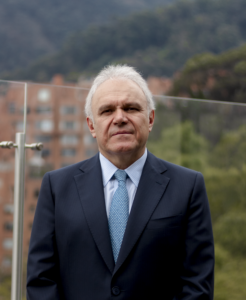

 Jane C. Ginsburg, U. Chicago (BA 1976, MA 1977), Harvard (JD 1980) Université de Paris II (DEA 1985, Dott. 1995) is the Morton L. Janklow Professor of Literary and Artistic Property Law at Columbia University School of Law. She writes about domestic and international copyright and trademarks law.
 Severine Dusollier is Professor at Sciences Po Paris, holds a Senior Chair at the Institut Universitaire de France, and is a Qualified Member of the
 Bartolomeo Meletti is the Head of Knowledge Exchange of CREATe, the Centre for Regulation of the Creative Economy at the University of Glasgow. His expertise and research interest are in the areas of copyright law and the lawful use of existing content, with a focus on copyright exceptions.
 Caterina Sganga is Professor of Comparative Private Law and Director of the DIRPOLIS Institute, Scuola Superiore Sant’Anna (Pisa, Italy). She is Former President (2024-2025) of the EPIP Association; Member of the European Copyright Society; author of policy studies for the EU and the Italian legislators; coordinator/PI and work package leaders in several EU-funded Horizon projects in the field of copyright and the law of cultural and creative industries (CCIs). Her key research areas are EU copyright law, IP and new technologies, the balance between IP and human rights, the law and economics of CCIs, data ownership and governance, Open Science law and policies.
 Romana Matanovac Vuckovic, Full Professor at the University of Zagreb Faculty of Law; Head of the IP Postgraduate Specialist Study. Former Deputy Director General of SIPO; President of Croatia’s Copyright Experts Council; President of the EU Council Audiovisual Working Party during Croatia’s EU Presidency. Expertise: copyright, collective management, audiovisual law, IP policy.
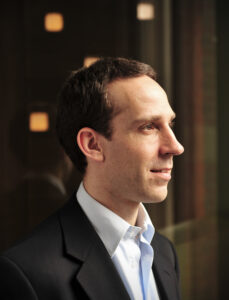 Stef van Gompel is Professor of Intellectual Property at the Vrije Universiteit Amsterdam. He is also Board member of the Dutch Copyright Supervisory Authority (CvTA), member of the Dutch Copyright Advisory Committee, chief editor of the Dutch copyright journal Auteursrecht and former president of the Dutch national group of AIPPI.
 Prof. Clemens Appl is Head of the Center for Intellectual Property, Media and Innovation Law at the University of Krems (Austria) and president of the ALAI Austria. He is a full professor for International, European and Austrian Copyright Law and is Academic Director auf the
  Péter Mezei is a professor of law (University of Szeged, Hungary), an honorary adjunct professor (University of Turku, Finland), a chief researcher (Vytautas Magnus University, Lithuania) and a professor invité (Université Lyon III, France). His focus is on comparative law, and comparative, digital, International and European copyright law.
 Katharina de la Durantaye is professor for private law and law of the digital transformation at Humboldt University in Berlin, Germany. Her research focuses, among other things, on copyright law, and on the regulation of the digital economy, including AI regulation.
 Tatsuhiro Ueno joined Waseda University in 2013, and he is currently Director of both the Research Centre for the Legal System of Intellectual Property (RCLIP) and the Institute of Comparative Law. He is a specialist in copyright law and has published numerous articles on the subject.
 Alexander Peukert (pronounce as Poikert) is professor of civil, commercial and information law at Goethe University Frankfurt am Main. Peukert was chair of the European Copyright Society (2023-2024) and of the working group tasked with drafting the copyright-related rules of the first EU General-Purpose AI Code of Practice (2024-2025).
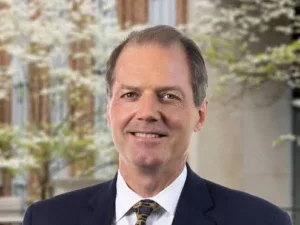 Daniel J. Gervais, PhD, is the Milton R. Underwood Chair in Law at Vanderbilt University Law School, where he serves as Director of the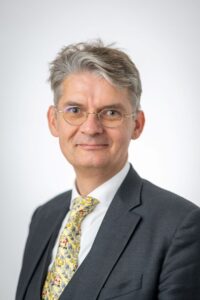
 You will discover where Vermeer was standing when he painted View of Delft and what makes The Goldfinch such a special and moving work of art.
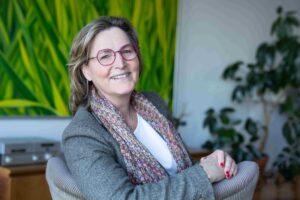 Jacqueline Seignette (Dr.) is a consultant at Seignette Legal. She sits on the dispute resolution committee of several Dutch CMOs, is board member of copyright society VvA and member of the ALAI Executive Committee. She is editorial board member of IP law review IER and contributes to several copyright commentaries.
 Professor at the Post-Graduation School of Public Policy and Development (PPED) at the Federal University of Rio de Janeiro (UFRJ) and at the Law School of ITR/UFRRJ. He is a lawyer, holds a PhD in Law and his contemporary research includes different aspects of copyright, more specifically on the relations with freedom of artistic expression, right to research, access and cultural rights, artificial intelligence and innovation in general
 Professor Frank Gotzen (°1947) received his law degree (Doctor in Law) from the KU Leuven in 1970. He obtained a grant from the Alexander von Humboldt-Stiftung and worked from 1970 till 1973 as a researcher at the Max-Planck-Institute for Foreign and International Patent, Copyright and Competition law in Munich. In 1979 he became a lecturer for « Copyright » at the Law Faculty of the KU Leuven and in 1984 also for « Industrial Property ». Since 1987, he was Professor for Copyright an Industrial Property. After his retirement in 2012 he continued to teach “Copyright” as an emeritus Professor.