
CONGRESO ALAI 2026
Derechos de autor y libertad de expresión en la era de los algoritmos
Video: The Hague & Partners
ALAI 2026
Del miércoles 17 al viernes 19 de junio de 2026

Derechos de autor y libertad de expresión en la era de los algoritmos.
¿Cómo protegemos los derechos de los creadores sin perder la libertad de expresión en un mundo impulsado por algoritmos? Del miércoles 17 al viernes 19 de junio de 2026, la comunidad mundial de los derechos de autor se reúne en La Haya (Países Bajos) en torno a los Derechos de Autor y la Libertad de Expresión en la Era de los Algoritmos.
El derecho de autor ha respaldado durante mucho tiempo la expresión cultural al proteger a los creadores y, al mismo tiempo, salvaguardar la libertad de expresión. Hoy en día, los algoritmos, los sistemas de inteligencia artificial y las plataformas digitales determinan cada vez más cómo se producen, se comparten y se descubren las obras creativas, poniendo ese equilibrio bajo presión.
En el centro del congreso se encuentra la cuestión de cómo preservar un espacio para la libertad de expresión, garantizando al mismo tiempo que se respeten los derechos económicos y morales de los creadores. El programa explora esta tensión desde múltiples perspectivas.
 El Congreso ALAI 2026 está organizado por la Vereniging voor Auteursrecht (VvA), el grupo nacional neerlandés de la Association Littéraire et Artistique Internationale. El congreso reúne durante tres días a académicos, profesionales y responsables políticos para el debate, la investigación y el intercambio.
Sobre ALAI
La Association Littéraire et Artistique Internationale fue fundada en 1878 en París por Victor Hugo, quien ejerció como su presidente honorario. Desde sus inicios, la ALAI persiguió un objetivo claro: la creación de una convención internacional para proteger los derechos de los escritores y artistas. Esta ambición condujo a la adopción del Convenio de Berna ocho años después.
Desde entonces, la ALAI ha seguido desempeñando un papel de liderazgo en el desarrollo del derecho de autor internacional.
Evento de la próxima generación
El Evento de la Próxima Generación 2026, un acto paralelo de medio día de duración al Congreso de la ALAI en La Haya, reúne a jóvenes profesionales para explorar dos temas de vanguardia en la intersección de los derechos de autor y la libertad de expresión.
Patrocinador Oro

Patrocinadores Plata





Patrocinadores Bronce






El programa está sujeto a cambios. Consulta la última versión en línea para ver las actualizaciones.
Programa Científico ALAI 2026
Miércoles 17 de junio de 2026
13:00 - 17:00
Evento de la próxima generación
- Marriott de La Haya, Johan de Wittlaan 30, La Haya
- La ALAI se complace en anunciar el primer Evento de la Próxima Generación, un evento temático paralelo al Congreso de la ALAI de 2026, diseñado para estudiosos y profesionales de los derechos de autor en sus primeras carreras (en los cinco años siguientes a la defensa del doctorado o a la admisión en el colegio de abogados). Se celebrará en la sede principal del congreso.
18:00
Recepción de bienvenida
- Kunstmuseum (Tuinzaal), Stadhouderslaan 41, La Haya (a 5 minutos a pie del Marriott)
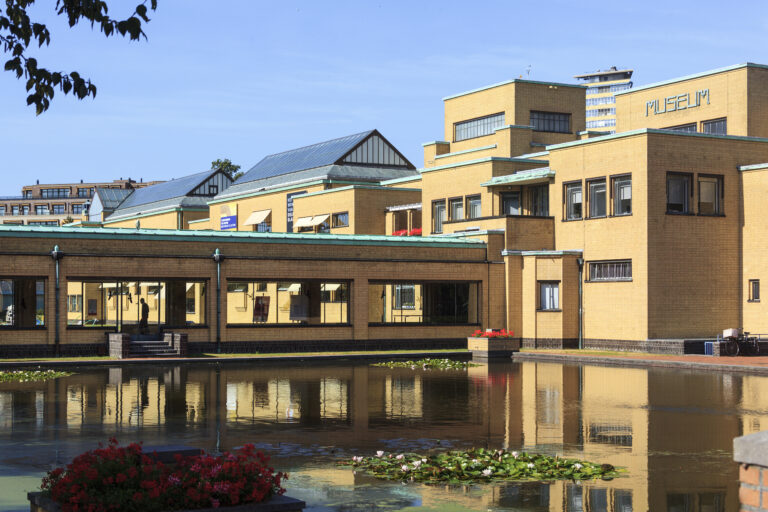
- La recepción de bienvenida tendrá lugar en el jardín interior del Kunstmuseum de La Haya, un edificio emblemático diseñado por H.P. Berlage, uno de los principales arquitectos de la Escuela de Ámsterdam. El museo forma parte de las colecciones de arte moderno más importantes de Europa. Los invitados podrán disfrutar de una bebida de bienvenida y unos ligeros aperitivos, con la posibilidad de visitar durante toda la velada la exposición Mondriaan & De Stijl, que incluye la obra final de Mondriaan, Victory Boogie-Woogie.
jue 18 junio 2026
09:00 - 09:30
Inscripción / sin cita previa
- Marriott de La Haya (Sala A1), Johan de Wittlaan 30, La Haya
09:30 - 10:00
Apertura
- Mireille van Eechoud (presidenta de la Sociedad Neerlandesa de Derechos de Autor)
- Frank Gotzen (Presidente ALAI)
- Claudia van Bruggen (Ministra de Protección Jurídica, Países Bajos)
-
Michele Woods (directora de la División de Derecho de Autor de la OMPI)
10:00 - 10:30
Libertad de expresión y derechos de autor en el derecho internacional
- Keynote
El marco internacional de derechos humanos en materia de libertad de expresión está en constante evolución, al igual que el marco internacional de los derechos de autor. La ponencia principal expone la relación entre los derechos de autor y la legislación sobre libertad de expresión tal y como se recoge en el derecho internacional. Además, aborda importantes retos actuales en el contexto de la sociedad algorítmica, sentando las bases para un análisis más profundo durante la conferencia.
Ponente
10:30 - 10:55
Pausa
10:55 - 12:25
Mecanismos legales para salvaguardar la libertad de expresión
- Sesión 2
Unas breves ponencias presentan las formas clave en que la ley de derechos de autor protege la libertad de expresión. Esto incluye la definición de los objetos protegidos (también en relación con los derechos de autor como motor de la producción creativa), el alcance de los derechos exclusivos, las limitaciones y excepciones, la duración de la protección y la aplicación de la ley (medidas correctivas, incluido el ámbito territorial). Una mesa redonda debate la creciente importancia de equilibrar los derechos de autor y la libertad de expresión, basándose en los enfoques nacionales. ¿Es el marco actual adecuado para garantizar este equilibrio, por ejemplo, en lo que respecta a las formas actuales de creación digital (componentes digitales de la expresión, IA generativa, etc.)?
Entre los participantes confirmados figuran:
- Bernd Justin Jütte
- Gemma Minero Alejandre
- Irini Stamatoudi
- Paul Torremans (moderador)
- Tatiana Eleni Synodinou
12:25 - 13:55
Almuerzo
13:55 - 15:25
Derechos de autor y libertad de expresión artística: casos prácticos
- Sesión 3
Los artistas deben poder obtener beneficios económicos de sus creaciones para poder seguir creando. Al mismo tiempo, el proceso artístico implica inspirarse en las obras de otros, hacer comentarios sobre ellas y utilizarlas como parte o punto de partida de nuevas creaciones. Para fomentar la cultura, existe un interés social en tener en cuenta ambos aspectos de la creación artística a la hora de definir el alcance de la protección de los derechos de autor. Encontrar el equilibrio adecuado resulta cada vez más difícil ahora que las tecnologías para difundir, acceder, copiar, adaptar y transformar contenidos son cada vez más accesibles, asequibles y fáciles de usar. En esta sesión, ponentes de distintas partes del mundo examinan cómo este ejercicio de equilibrio se desarrolla en sus respectivas jurisdicciones, tomando como punto de partida tres casos ficticios de reutilización creativa.
Entre los participantes confirmados figuran:
- Adela Zixhuan Wang
- Ernesto Rengifo Garcia
- Peter Teunissen
- Sophie van Loon (moderadora)
15:25 - 15:50
Pausa
15:50 - 17:20
Derechos de autor y libertad de expresión artística: el futuro (debate en panel)
- Sesión 4
Basándose en el análisis de la sesión anterior, un grupo de ponentes debatirá el futuro de los derechos de autor y la expresión artística. ¿Cómo deben evolucionar los conceptos de uso legítimo, trato legítimo y excepciones para la cita, la parodia y el pastiche para proteger y fomentar la expresión artística en una era de reutilización desenfrenada, contenidos (asistidos) por la GenAI y valores democráticos que se desmoronan? ¿Debe alcanzarse un equilibrio dentro del sistema de derechos de autor (mediante, por ejemplo, el umbral de originalidad, las excepciones, la prueba de los tres pasos, la duración, los derechos de remuneración) o externamente, dejando que los derechos fundamentales de libertad de expresión artística limiten el alcance de la protección de los derechos de autor? ¿Debería ser diferente el enfoque para los derechos de autor y los derechos afines?
Entre los participantes confirmados figuran:
17:30 - 18:30
Asamblea General de la ALAI

vie 19 junio 2026
09:00 - 09:30
Entrada libre
09:30 - 11:00
Libertades informativas - Periodismo e investigación de interés público
- Sesión 5
Desde el punto de vista de la libertad de expresión y de información, ciertos sectores y tipos de obras han ocupado tradicionalmente un lugar especial en la legislación sobre derechos de autor debido a los importantes intereses públicos que están en juego. En esta sesión se analiza con más detalle cómo la legislación sobre derechos de autor fomenta el periodismo, la realización de documentales y la investigación de interés público. ¿Es eficaz la ley, ahora que el panorama mediático ha sufrido cambios importantes y los medios de comunicación (de calidad) se enfrentan a retos hoy en día, a medida que se crea y difunde contenido algorítmico a gran escala?
Entre los participantes confirmados figuran:
11:00 - 11:25
Pausa
11:25 - 12:55
Libertades informativas - Información del sector público
- Sesión 6
El sector público, que incluye los poderes legislativo, judicial y ejecutivo en todas sus formas, genera y recopila enormes cantidades de información. A menudo, esta información está sujeta a derechos de autor, pero el Convenio de Berna también concede a los Estados un amplio margen de maniobra para limitar dicha protección. En una época en la que las tecnologías permiten un amplio acceso a la información del sector público (por ejemplo, como parte de los programas de gobierno abierto) y las leyes sobre el derecho a la información se consideran cada vez más parte integrante del derecho a la libertad de expresión, esta sesión explora cómo se puede conciliar la transparencia con los intereses de los titulares de derechos.
Entre los participantes confirmados figuran:
12:55 - 14:10
Almuerzo
14:10 - 15:40
Idea v. expresión en la era de los algoritmos - minería de textos y datos (TDM) y formación en IA
- Sesión 7
La minería de textos y datos (TDM) para el entrenamiento de la IA es el punto de partida de un proceso de desarrollo que puede dar lugar a potentes sistemas de IA generativa (GenAI). Dado que estos sistemas tienen el potencial de sustituir la creatividad humana y transformar las prácticas creativas, surge la cuestión de cómo el derecho de autor podría utilizarse como herramienta regulatoria para apoyar la libertad de expresión humana.
En lo que respecta al propio proceso de TDM, el “derecho a la investigación” en evolución dentro del marco de la libertad de expresión se ha convertido en un factor importante en el debate político. Además, se plantea la cuestión de cómo el derecho de autor puede garantizar una remuneración justa por el uso de obras humanas en el entrenamiento de la IA, tanto para autores como para titulares de derechos, incluidos los pequeños titulares de repertorios.
Por último, deben considerarse la calidad y la diversidad cultural de los recursos utilizados para el TDM. Las futuras generaciones de “nativos de la GenAI” (que no conocerán un mundo sin GenAI) pueden utilizar la GenAI de manera habitual como herramienta para obtener modelos para su propia creatividad y libertad de expresión. Si los recursos de entrenamiento de la IA no son suficientemente diversos, existe el riesgo de que determinadas expresiones humanas dejen de ser visibles en los resultados de la GenAI y, simplemente, se olviden y se pierdan cuando los actos humanos de expresión se basen en plantillas generadas por la GenAI. La sesión explora estas diferentes dimensiones del debate sobre la TDM y el entrenamiento de la IA.
Entre los participantes confirmados figuran:
15:40 - 16:05
Pausa
16:05 - 17:35
Idea frente a expresión en la era de los algoritmos - Contenidos generados por IA
- Sesión 8
La capacidad de los sistemas de IA generativa para producir todo tipo de resultados está mejorando a un ritmo increíble. Lo que esto implica para los derechos de autor y la libertad de expresión es el tema de esta sesión. ¿Se vería enriquecido o empobrecido el discurso literario y artístico humano si se aplicara la protección de los derechos de autor a los resultados de IA creados al 100 % por máquinas? ¿Podría la concesión de derechos de autor enriquecer el panorama literario y artístico o dificultaría la remezcla y la reutilización creativas? ¿Qué pasa con los casos más comunes de colaboración entre humanos y máquinas, en los que los autores humanos participan en la redacción o la modificación de los resultados de la IA? ¿Cuándo se alcanza el umbral de originalidad y qué medidas de transparencia son necesarias para identificar la expresión humana original? Por último, la sesión abordará los riesgos de infracción. ¿Va más allá la producción de la IA de las imitaciones de estilo y los conceptos generales no protegidos? Si es así, ¿cómo pueden los titulares de derechos de autor tomar medidas contra la copia no autorizada de su expresión protegida? ¿Cómo se distribuye la carga de la prueba?
Entre los participantes confirmados figuran:
17:35 - 17:45
Palabras finales
20:00 - 23:15 (el autobús sale a las 19:30 del Marriott)
Cena de la Conferencia
- Hay servicio de autobús de ida y vuelta al lugar de la cena. La salida es desde el Hotel Marriott a las 19:30.
- De Nieuwe Kerk, Spui 175, La Haya
- Código de vestimenta: tenue de ville
-
Disfrute de una hermosa cena en la histórica Nieuwe Kerk, en el Spui, un monumento del siglo XVII con una acústica que casi recuerda a una moderna sala de conciertos. Spinoza estuvo enterrado aquí en su día, y la iglesia conserva aún ese vínculo, junto con su célebre órgano Bätz del siglo XVIII que domina el espacio.
Durante la cena celebramos el Premio ALAI al Derecho de Autor Europeo, apoyado por GESAC.
Programa Social ALAI 2026
Programa Social
El Congreso ALAI 2026 ofrece un amplio programa social.
La recepción de bienvenida del miércoles por la noche y la cena de la conferencia del viernes por la noche están incluidas en tu cuota de inscripción.
La recepción de bienvenida tiene lugar en el jardín interior del Kunstmuseum, con bebidas, refrescos y acceso a la exposición Mondriaan & De Stijl.
La cena de la conferencia se celebra en la histórica Nieuwe Kerk, donde también celebramos el Premio ALAI al Derecho de Autor Europeo.
Programa de socios
Mientras se celebran las sesiones, se invita a los socios a explorar la región en dos paseos guiados por la ciudad, por La Haya el jueves y por Delft el viernes. Se requiere reserva previa. Inscríbete a través del formulario de inscripción o ponte en contacto con info@alai2026.nlExcursión
Excursión cultural de día completo el sábado 20 de junio por La Haya (09:30-16:30): visita guiada a la Mauritshuis con obras maestras de Vermeer y Rembrandt, almuerzo en el gran Hotel Des Indes y paseo por la tarde por los jardines del Palacio de la Paz. Máx. 40 participantes. Se requiere reserva previa. Inscríbete a través del formulario de inscripción o ponte en contacto con info@alai2026.nl.Cuestionario e informes nacionales
Descargar el Cuestionario y los Informes Nacionales
Todos los informes enviados están disponibles en la carpeta de descargas.
LOCALIZACIÓN
Localización y alojamiento
El Congreso ALAI 2026 tendrá lugar en La Haya, la ciudad internacional de la justicia y la paz. Alberga instituciones como el Tribunal Internacional de Justicia y el Tribunal Permanente de Arbitraje. La ciudad es fácil de explorar a pie o en transporte público, y cuenta tanto con un centro histórico como con una playa cercana.
Dirección
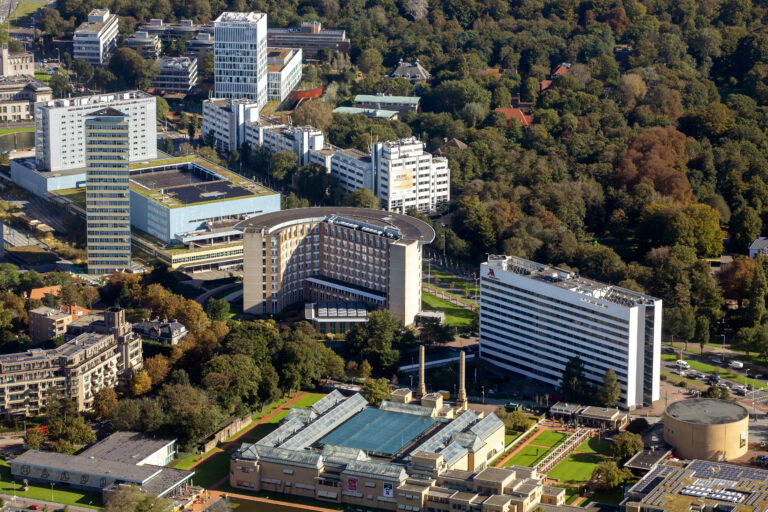
La sede principal es Hotel Marriott de La Haya, Johan de Wittlaan 30, (2517 JR) La Haya.
Del aeropuerto a La Haya
Desde Amsterdam Schiphol (AMS), salen trenes cada 10-15 minutos hasta la estación central de La Haya (±30 minutos).
Desde el aeropuerto de Rotterdam-La Haya (RTM), toma el metro o el autobús hasta Rotterdam Central, y luego el tren hasta La Haya (±35-40 minutos en total).
Para consultar horarios y billetes: sitio web de los ferrocarriles holandeses.
Desde la Estación Central de La Haya hasta el lugar de celebración
Toma el tranvía 16 y bájate cerca de la parada Gemeentemuseum/Museon. Desde allí, hay unos minutos a pie hasta el hotel.
Aparcamiento
Hay aparcamiento en el Marriott (150 plazas) y en el cercano Foro Mundial.
Visado para Países Bajos
Comprueba si necesitas visado a través de la página web NetherlandsWorldwide.
¿Vienes de fuera de la UE? Ten en cuenta que están en vigor nuevas normas de entrada, que pueden prolongar el tiempo de espera en el control fronterizo. Te recomendamos que preveas más tiempo.
El aeropuerto Schiphol de Ámsterdam es uno de los más transitados de Europa. Para evitar retrasos en el control de seguridad, te recomendamos encarecidamente que reserves con antelación un turno libre en el control de seguridad a través de la aplicación Schiphol o en schiphol.nl.
ACTO PARALELO EL MIÉRCOLES 17 DE JUNIO
Evento sobre la próxima generación de derechos de autor
Los profesionales del derecho o académicos que estén empezando su carrera (incluidos los posdoctorados, estudiantes de doctorado o de máster, en los cinco años posteriores a la obtención del doctorado o a la admisión definitiva en una profesión jurídica) están invitados a participar en este evento paralelo de medio día de duración el miércoles 17 de junio de 2026, que girará en torno a dos temas de vanguardia en la intersección entre los derechos de autor y la libertad de expresión.
El acontecimiento
Tras una apertura conjunta de la sesión, se formarán dos grupos de reflexión compuestos por participantes con especial interés en uno de los siguientes temas:
- Creatividad humana frente a IA generativa: una prueba de equilibrio
- Derechos de autor y creatividad derivada: ¿Cuánto espacio para la libertad de expresión?
Cada grupo de reflexión constará de dos «tipos» de participantes:
- Alrededor de siete participantes seleccionados, que serán elegidos por el comité organizador en función de su experiencia en el tema. Estos participantes pronunciarán un breve discurso (3-4 minutos) en el evento, en el que expondrán de forma concisa su punto de vista sobre el tema. Además, se les ofrecerá la oportunidad de ser coautores de una contribución colectiva a las actas del congreso ALAI.
- Alrededor de siete asistentes adicionales con un interés especial en el tema de su preferencia. La admisión para esta función se hará por orden de llegada».
El programa
Miércoles 17 de junio
13:00 – Apertura de puertas (café y té)
13:15 – Bienvenida conjunta y visión general de la tarde
13:30 – División de los grupos
13:45 – Discurso de apertura sobre el tema a cargo del moderador de cada grupo
14:00 – Discurso de tres o cuatro minutos de los participantes seleccionados sobre su visión del problema
14:30 – Sesión de reflexión dirigida por el moderador (parte I) 30 – Sesión de reflexión dirigida por el moderador (parte I)
15:30 – Pausa
15:45 – Sesión de reflexión dirigida por el moderador (parte II)
16:30 – Clausura conjunta de la jornada
17:00 – Hora de registrarse en el hotel
18:00 – Recepción de bienvenida Conferencia ALAI (ver Programa Científico)
Los moderadores
El grupo de reflexión I estará dirigido por Dra. Carys J. Craigcatedrática de Derecho de la Propiedad Intelectual en la Facultad de Derecho Osgoode Hall (Universidad de York, Toronto).
El grupo de reflexión II estará dirigido por el Dr. Peter Teunisssen, Profesor Adjunto de Derecho Privado y Propiedad Intelectual de la Universidad Radboud (Nimega).
Ambos moderadores intervendrán también en el acto principal de la ALAI. A través de ellos, las ideas y los resultados de cada grupo de reflexión se integrarán en el acto principal.
El procedimiento de solicitud
Ya no se aceptan solicitudes para el puesto de participante seleccionado ni inscripciones como asistente adicional.
La participación en el Evento de Nueva Generación está reservada exclusivamente a los asistentes al congreso principal de la ALAI y no tiene coste adicional. Ten en cuenta que es necesario inscribirse por separado en el evento principal de la ALAI. Todos los participantes deberán sufragar sus propios gastos de viaje y alojamiento, pero tendrán derecho a la cuota de estudiante del congreso principal.
Por lo tanto, informa de tu solicitud/inscripción para el Evento de Nueva Generación en tu formulario de inscripción para el evento principal.
Puedes encontrar más detalles sobre el programa y el procedimiento de solicitud e inscripción aquí.

CONTACTO
Si tienes alguna duda sobre la inscripción, el programa o los aspectos prácticos, ponte en contacto con la secretaría del congreso en secretariaat@verenigingvoorauteursrecht.nl.
© Vereniging voor Auteursrecht – Congreso ALAI 2026 La Haya. Política de privacidad.

 Bernt Hugenholtz is Emeritus Professor of Law at the University of Amsterdam and former Director of the

 Irini Stamatoudi is a Professor and the Director of the School of Law at the University of Nicosia, Athens UNIC (Greece). She is also an attorney-at-law. She has served as General Director of the Greek National Copyright Office. She has worked as a copyright expert on projects and taught academic courses in many countries.
 Prof Paul Torremans is professor of Intellectual Property Law, School of law, University of Nottingham (UK).
 Adela (Zhixuan) Wang is a Herchel Smith PhD candidate at Queen Mary University of London and her current research focuses on legal transplants and harmonisation of the parody exception in copyright law.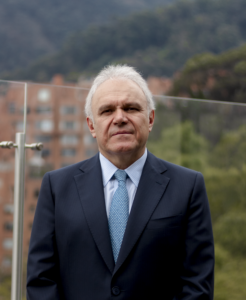

 Jane C. Ginsburg, U. Chicago (BA 1976, MA 1977), Harvard (JD 1980) Université de Paris II (DEA 1985, Dott. 1995) is the Morton L. Janklow Professor of Literary and Artistic Property Law at Columbia University School of Law. She writes about domestic and international copyright and trademarks law.
 Severine Dusollier is Professor at Sciences Po Paris, holds a Senior Chair at the Institut Universitaire de France, and is a Qualified Member of the
 Bartolomeo Meletti is the Head of Knowledge Exchange of CREATe, the Centre for Regulation of the Creative Economy at the University of Glasgow. His expertise and research interest are in the areas of copyright law and the lawful use of existing content, with a focus on copyright exceptions.
 Caterina Sganga is Professor of Comparative Private Law and Director of the DIRPOLIS Institute, Scuola Superiore Sant’Anna (Pisa, Italy). She is Former President (2024-2025) of the EPIP Association; Member of the European Copyright Society; author of policy studies for the EU and the Italian legislators; coordinator/PI and work package leaders in several EU-funded Horizon projects in the field of copyright and the law of cultural and creative industries (CCIs). Her key research areas are EU copyright law, IP and new technologies, the balance between IP and human rights, the law and economics of CCIs, data ownership and governance, Open Science law and policies.
 Romana Matanovac Vuckovic, Full Professor at the University of Zagreb Faculty of Law; Head of the IP Postgraduate Specialist Study. Former Deputy Director General of SIPO; President of Croatia’s Copyright Experts Council; President of the EU Council Audiovisual Working Party during Croatia’s EU Presidency. Expertise: copyright, collective management, audiovisual law, IP policy.
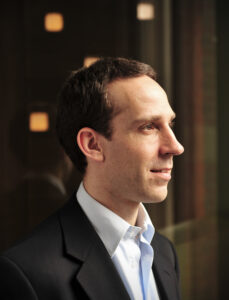 Stef van Gompel is Professor of Intellectual Property at the Vrije Universiteit Amsterdam. He is also Board member of the Dutch Copyright Supervisory Authority (CvTA), member of the Dutch Copyright Advisory Committee, chief editor of the Dutch copyright journal Auteursrecht and former president of the Dutch national group of AIPPI.
 Prof. Clemens Appl is Head of the Center for Intellectual Property, Media and Innovation Law at the University of Krems (Austria) and president of the ALAI Austria. He is a full professor for International, European and Austrian Copyright Law and is Academic Director auf the
  Péter Mezei is a professor of law (University of Szeged, Hungary), an honorary adjunct professor (University of Turku, Finland), a chief researcher (Vytautas Magnus University, Lithuania) and a professor invité (Université Lyon III, France). His focus is on comparative law, and comparative, digital, International and European copyright law.
 Katharina de la Durantaye is professor for private law and law of the digital transformation at Humboldt University in Berlin, Germany. Her research focuses, among other things, on copyright law, and on the regulation of the digital economy, including AI regulation.
 Tatsuhiro Ueno joined Waseda University in 2013, and he is currently Director of both the Research Centre for the Legal System of Intellectual Property (RCLIP) and the Institute of Comparative Law. He is a specialist in copyright law and has published numerous articles on the subject.
 Alexander Peukert (pronounce as Poikert) is professor of civil, commercial and information law at Goethe University Frankfurt am Main. Peukert was chair of the European Copyright Society (2023-2024) and of the working group tasked with drafting the copyright-related rules of the first EU General-Purpose AI Code of Practice (2024-2025).
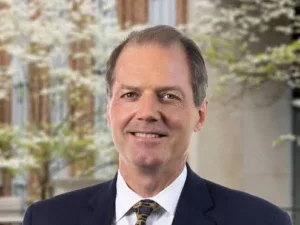 Daniel J. Gervais, PhD, is the Milton R. Underwood Chair in Law at Vanderbilt University Law School, where he serves as Director of the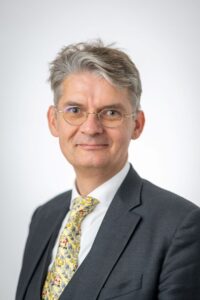
 You will discover where Vermeer was standing when he painted View of Delft and what makes The Goldfinch such a special and moving work of art.
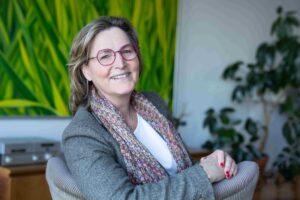 Jacqueline Seignette (Dr.) is a consultant at Seignette Legal. She sits on the dispute resolution committee of several Dutch CMOs, is board member of copyright society VvA and member of the ALAI Executive Committee. She is editorial board member of IP law review IER and contributes to several copyright commentaries.
 Professor at the Post-Graduation School of Public Policy and Development (PPED) at the Federal University of Rio de Janeiro (UFRJ) and at the Law School of ITR/UFRRJ. He is a lawyer, holds a PhD in Law and his contemporary research includes different aspects of copyright, more specifically on the relations with freedom of artistic expression, right to research, access and cultural rights, artificial intelligence and innovation in general
 Professor Frank Gotzen (°1947) received his law degree (Doctor in Law) from the KU Leuven in 1970. He obtained a grant from the Alexander von Humboldt-Stiftung and worked from 1970 till 1973 as a researcher at the Max-Planck-Institute for Foreign and International Patent, Copyright and Competition law in Munich. In 1979 he became a lecturer for «Copyright» at the Law Faculty of the KU Leuven and in 1984 also for «Industrial Property». Since 1987, he was Professor for Copyright an Industrial Property. After his retirement in 2012 he continued to teach “Copyright” as an emeritus Professor.